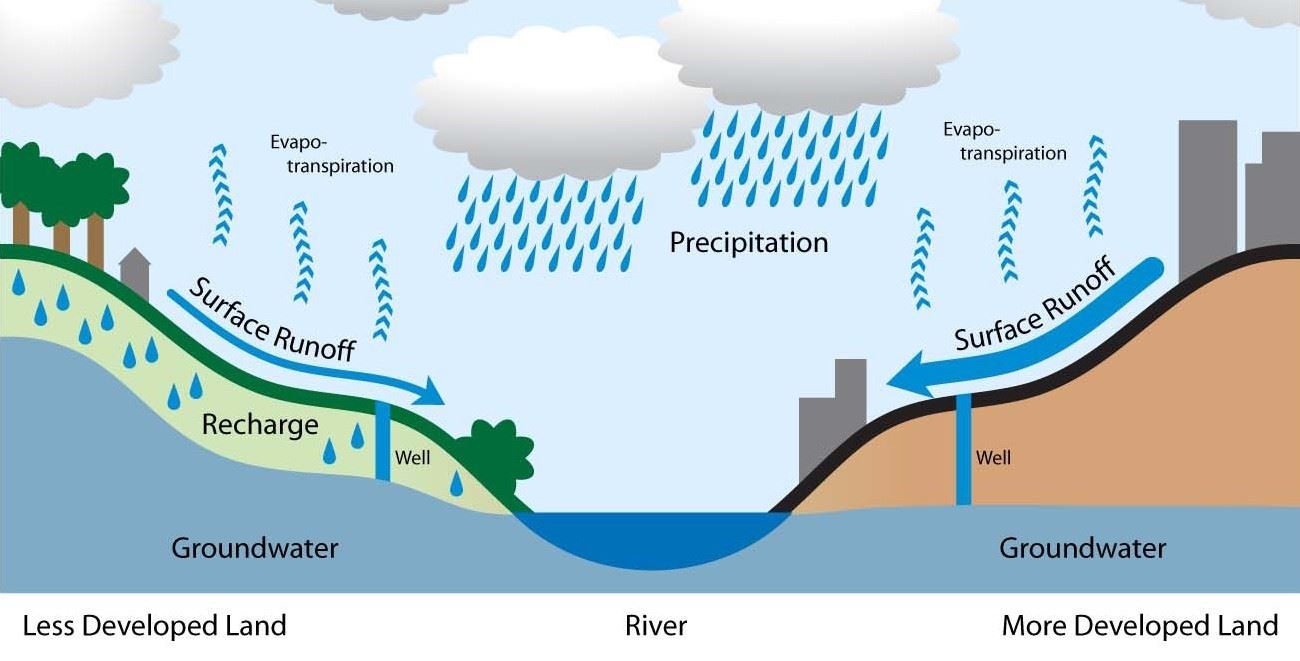
Stormwater management might not be the most exciting topic, but it’s one of the most crucial factors in maintaining public health and environmental safety. Stormwater, untreated runoff from rain or melting snow, can carry harmful pollutants like oil, litter, and pesticides into local waterways when left unmanaged. These pollutants eventually affect drinking water, ecosystems, and even the well-being of entire communities.
This blog explores why stormwater management is vital, highlights its impact on community health, and emphasizes the importance of proactive solutions.
Understanding Stormwater Management
What Is Stormwater Runoff?
Stormwater runoff refers to rainwater or melted snow that doesn’t soak into the ground. Instead, it flows across paved surfaces such as roads, sidewalks, and parking lots.
During this process, stormwater collects pollutants and debris, which are then swept into storm drains and deposited into local waterways without being treated. This poses risks that extend beyond environmental harm into public health challenges for entire communities.
The Role of Stormwater Management
Stormwater management systems aim to reduce runoff volume, control flooding, and filter harmful pollutants before they reach ecosystems and water supplies. To achieve these goals, initiatives include infrastructure like green roofs, bioswales, retention ponds, and permeable pavement. These tools manage stormwater at the source and can help address modern-day water quality concerns.
The Impact of Poorly Managed Stormwater on Community Health
Neglecting stormwater management can create a domino effect of negative consequences for communities. Here’s how unmanaged stormwater impacts public health:
1. Water Pollution
When stormwater picks up oil, pesticides, fertilizers, and bacteria from pet waste, it contaminates rivers, lakes, and reservoirs. These are often the same water sources that supply communities with drinking water. Consuming contaminated water increases the risk of gastrointestinal illnesses and other public health concerns.
2. Flooding and Property Damage
Without proper drainage systems, stormwater runoff can cause severe flooding during heavy rain. Flooding not only damages homes and infrastructure but also creates breeding grounds for mold, mildew, and disease-carrying mosquitoes.
3. Spread of Waterborne Diseases
Improperly managed stormwater can lead to stagnant pools of water, ideal breeding grounds for bacteria and viruses. This can result in outbreaks of dangerous waterborne diseases like cholera, giardiasis, and hepatitis A.
4. Impact on Ecosystems
Contaminated stormwater affects more than humans; it damages aquatic ecosystems by overloading them with pollutants and nutrients, resulting in algal blooms. This process depletes oxygen in the water, killing fish and other wildlife, and disturbing the natural balance of ecosystems.
Effective Stormwater Management Strategies
Proactive stormwater management isn’t just about protecting water quality; it’s about safeguarding the well-being of communities. Here’s a look at some effective strategies to address stormwater challenges:
1. Green Infrastructure Solutions
Green infrastructure such as rain gardens, green roofs, and bioswales are designed to mimic natural water absorption processes. For instance, a bioswale channels stormwater into a vegetated trench where it is filtered before reaching local waterways.
2. Permeable Pavement
Unlike traditional concrete or asphalt, permeable pavement allows water to seep through into the soil below. By slowing the runoff rate, this reduces the risk of flooding and helps recharge groundwater supplies.
3. Stormwater Retention Basins
Retention basins (or ponds) capture and hold runoff temporarily, allowing pollutants to settle out of the water before it is slowly released. These basins act as a buffer to protect surrounding areas from sudden surges in water flow during storms.
4. Public Education and Community Engagement
Awareness campaigns can help educate residents about the importance of stormwater management through actions like:
- Properly disposing of waste to prevent litter in storm drains.
- Cleaning up pet waste.
- Limiting fertilizer and pesticide use.
5. Implementing SWPPP Plans
Stormwater Pollution Prevention Plans (SWPPPs) are essential for addressing site-specific stormwater risks, particularly in areas with large-scale construction projects. SWPPP in Idaho, for example, plays a critical role in ensuring compliance with federal regulations while protecting local communities from runoff pollution.
Stormwater Management as a Long-term Public Health Investment
The benefits of stormwater management extend far beyond short-term fixes. It’s a long-term investment in cleaner water, improved quality of life, and enhanced community resilience for changing weather patterns. Municipalities that prioritize stormwater infrastructure today will save money down the line in flood repairs, healthcare costs, and environmental restoration.
How You Can Contribute
Stormwater management is a collective responsibility, and everyone has a role to play. Communities can work together to implement changes, such as creating rain gardens, encouraging homeowners to install rain barrels, and fostering greater environmental stewardship. Businesses and developers must also take accountability by adopting sustainable practices and integrating green infrastructure into their projects.
With the right strategies in place and the collective participation of the community, stormwater management can make a meaningful difference to public health and environmental sustainability.
About the Author


