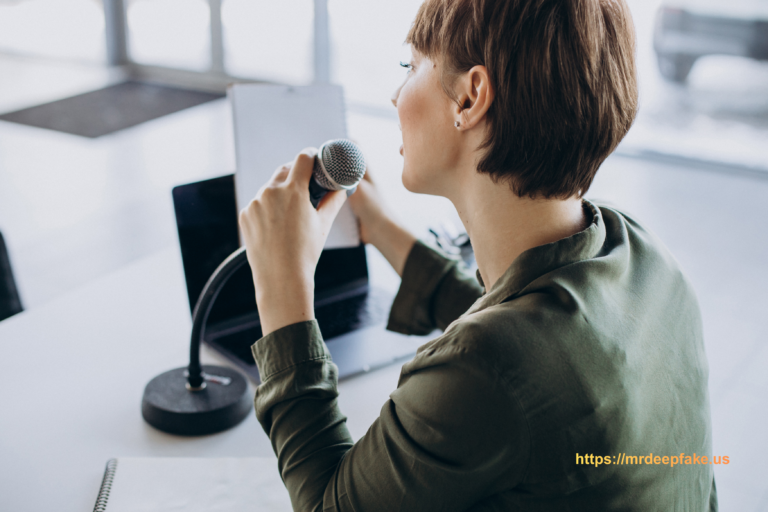
Virtual meeting etiquette has become an essential skill in today’s remote and hybrid work environments. Whether you’re connecting with clients, colleagues, or employers, how you present yourself online can significantly influence professional impressions. From camera angles to background noise, every detail counts. Understanding the right etiquette ensures you communicate effectively, stay engaged, and project a polished, professional image no matter where you’re joining from.
1. Why Virtual Meeting Etiquette Matters
The rise of video conferencing tools like Zoom, Microsoft Teams, and Google Meet has changed the way professionals collaborate. Virtual meeting etiquette plays a crucial role in maintaining professionalism, trust, and efficiency in these digital spaces. Without proper etiquette, meetings can become chaotic, unproductive, or even embarrassing.
Proper etiquette helps you:
-
Demonstrate respect for others’ time.
-
Ensure clear communication.
-
Present yourself as attentive and credible.
-
Build stronger virtual relationships.
Just as you’d dress appropriately and arrive on time for an in-person meeting, online meetings demand the same level of preparation and respect—only with a digital twist.
2. Prepare Your Environment
A key aspect of virtual meeting etiquette is creating a professional and distraction-free environment. Before joining a call, take a few minutes to prepare your surroundings.
a. Choose a Quiet Location
Background noise is one of the biggest distractions during online meetings. Find a quiet spot, close doors, and silence notifications. If possible, use a noise-canceling headset or enable noise suppression features available in most platforms.
b. Pay Attention to Lighting
Good lighting enhances your on-screen presence. Face a natural light source like a window, or use a ring light for even illumination. Avoid sitting with your back to a window, as it can cast shadows and make your face appear dark.
c. Keep Your Background Clean
Your background says a lot about your professionalism. A tidy, neutral background or a subtle virtual background can make you look more organized. Avoid overly personal or cluttered backdrops that might distract others.
3. Dress the Part
Even though you’re working from home, your attire still matters. Dressing professionally is an essential part of virtual meeting etiquette. Wear clean, appropriate clothing that reflects the tone of the meeting. For formal meetings, business attire is ideal; for team check-ins, business casual may suffice.
Avoid overly bright patterns or flashy colors that might distract the camera. Dressing up also boosts your confidence and puts you in the right mindset to engage effectively.
4. Master Your Technology
Technical issues can derail a meeting quickly. Proper involves ensuring your equipment and software are ready before you join.
a. Test Your Setup
Check your microphone, camera, and internet connection. Most platforms allow you to test your audio and video before entering a meeting. Doing this shows preparedness and consideration for others’ time.
b. Mute When Not Speaking
Background noises like typing or coughing can disrupt conversations. Keep your microphone muted when you’revirtual meeting etiquette not talking, and unmute only when you have something to contribute.
c. Use Headphones
Headphones help reduce echo and improve sound clarity. They also make you sound more professional and attentive.
5. Be Punctual and Present
Just like in-person meetings, punctuality is a core element of virtual meeting etiquette. Join the meeting a few minutes early to handle any last-minute issues and to show respect for everyone’s schedule.
Once the meeting begins, give your full attention. Avoid multitasking, checking emails, or using your phone. Active participation shows engagement and respect for the speaker.
6. Maintain Professional Body Language
Even through a screen, non-verbal communication matters. Your posture, facial expressions, and gestures all contribute to how others perceive you.
-
Sit up straight to appear alert and engaged.
-
Look into the camera when speaking to simulate eye contact.
-
Nod or smile to show attentiveness and understanding.
Practicing positive body language helps reinforce your professionalism and makes your interactions more personable and effective.
7. Communicate Clearly and Confidently
Clear communication is vital in virtual meetings. Good virtual meeting etiquette includes speaking at a moderate pace, enunciating words clearly, and checking in with your audience to ensure they understand your points.
If you’re presenting, structure your content logically and use visuals to enhance understanding. Pause occasionally to invite questions or comments—this keeps the discussion interactive and inclusive.
8. Respect Others’ Speaking Time
One of the most overlooked aspects of virtual meeting etiquette is turn-taking. Avoid interrupting or talking over others. Use hand-raise features or chat functions to signal that you’d like to speak.
Allowing others to finish their thoughts promotes mutual respect and makes discussions more productive. If multiple people try to speak simultaneously, the moderator should guide the order of responses.
9. Handle Distractions Professionally
Unexpected interruptions happen—children, pets, or deliveries might occur during a meeting. The key to good virtual meeting etiquette is handling these moments gracefully.
If something urgent arises, mute your microphone and turn off your camera briefly. Apologize briefly when you return, but don’t dwell on the distraction. Keeping calm and composed shows professionalism and self-control.
10. End on a Positive Note
How you close a virtual meeting is just as important as how you start. Thank participants for their time and contributions, summarize key takeaways, and clarify next steps. This final touch of virtual meeting etiquette leaves a lasting positive impression.
After the meeting, consider sending a brief follow-up email summarizing decisions, action points, and deadlines. This reinforces accountability and professionalism.
11. Advanced Tips for Virtual Meeting Etiquette
For those who regularly host or attend virtual meetings, going beyond the basics can make you stand out.
a. Use Professional Display Names
Ensure your display name includes your full name and title, especially in formal or client-facing meetings.
b. Leverage Chat Thoughtfully
Use the chat box to share links, references, or brief comments—but avoid side conversations that can distract others.
c. Record Only with Consent
If a meeting needs to be recorded, always ask for permission. Transparency builds trust and ensures privacy compliance.
d. Keep Meetings Short and Purposeful
Respect everyone’s time by sticking to the agenda. Short, well-structured meetings are more productive and appreciated.
12. Common Mistakes to Avoid
Even seasoned professionals can slip up when it comes to virtual meeting etiquette. Here are a few habits to avoid:
-
Joining late without notice.
-
Eating or drinking noisily on camera.
-
Forgetting to mute during private conversations.
-
Leaving your camera off in small, interactive meetings.
-
Overusing virtual backgrounds that distract attention.
By avoiding these missteps, you’ll project confidence, competence, and courtesy in every online interaction.
Frequently Asked Questions (FAQ)
1. What is virtual meeting etiquette?
Virtual meeting etiquette refers to the set of professional behaviors, communication practices, and technical preparations that ensure smooth, respectful, and effective online meetings.
2. How should I dress for a virtual meeting?
Dress as if you were meeting in person. Business casual is usually appropriate unless the meeting is formal, in which case business attire is recommended.
3. What are some quick tips to look good on camera?
Use good lighting, maintain a clean background, and position your camera at eye level. These simple adjustments improve your professional appearance on screen.
4. How can I sound professional in a virtual meeting?
Speak clearly, use a good microphone, and minimize background noise. Test your audio before joining and mute when you’re not speaking.
5. Is it okay to multitask during a virtual meeting?
No. Paying full attention is part of virtual meeting etiquette. Multitasking can make you seem disinterested or disrespectful to the speaker.
6. What should I do if I’m late to a virtual meeting?
Join quietly, apologize briefly, and avoid interrupting the ongoing discussion. If possible, inform the host in advance.
7. Should my camera always be on?
Whenever possible, yes—especially in small or collaborative meetings. Keeping your camera on shows engagement and attentiveness.
8. How do I handle background noise or interruptions?
Mute yourself when not speaking and use noise-canceling tools. If interrupted, turn off your camera temporarily, address the issue, and rejoin promptly.
9. Can I use virtual backgrounds?
Yes, as long as they’re professional and not distracting. Solid colors or subtle office scenes work best for maintaining a polished look.
10. How can I end a virtual meeting professionally?
Thank attendees, summarize key points, and outline next steps. Ending with gratitude and clarity reinforces positive communication.
Conclusion
Mastering virtual meeting etiquette is no longer optional—it’s a professional necessity. The way you look, sound, and behave online shapes how colleagues and clients perceive you. By creating a distraction-free environment, using the right technology, communicating clearly, and respecting others’ time, you can build a strong, professional virtual presence.
About the Author