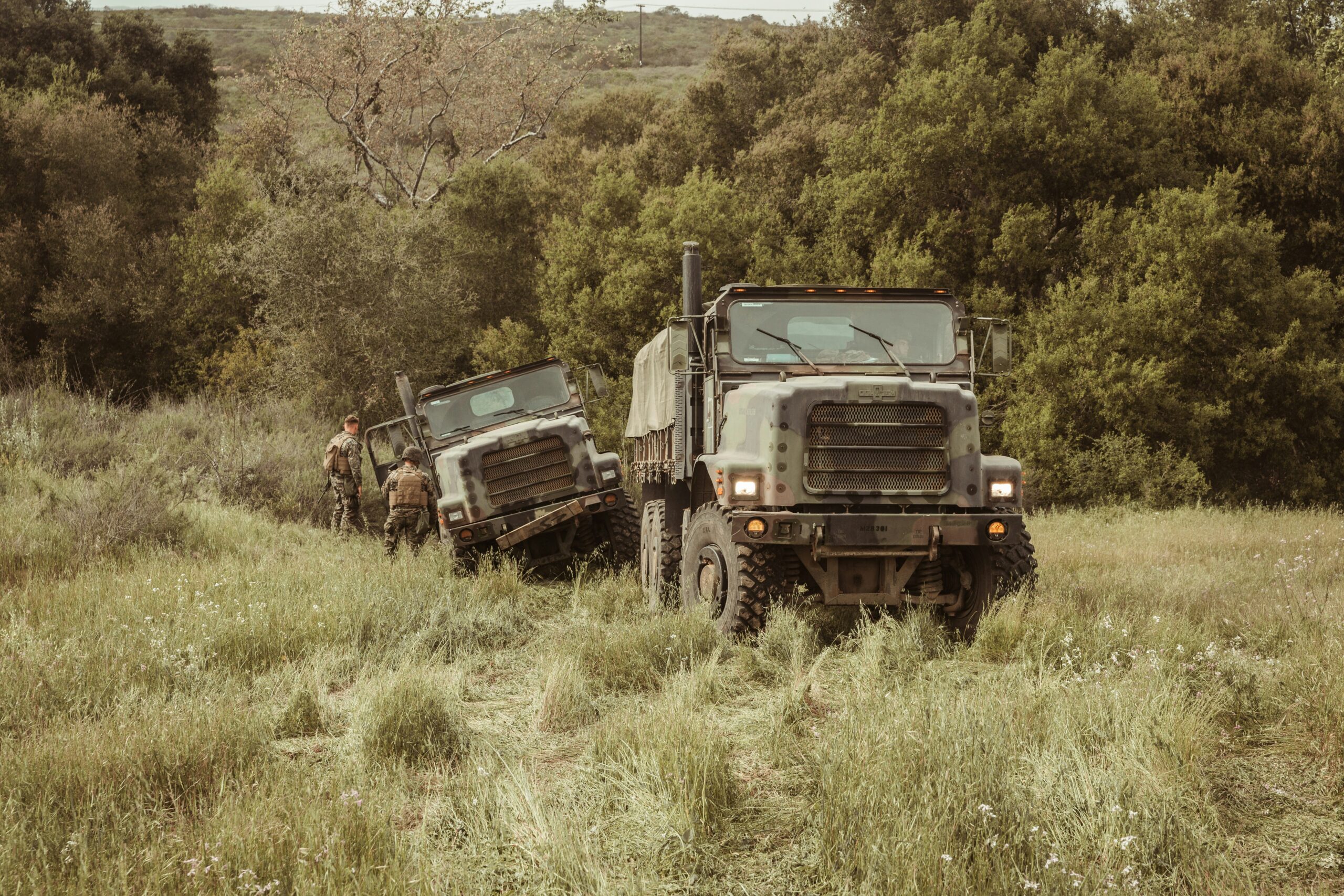
Military operations are essential for national defense, but they often come with significant environmental costs. The extensive use of heavy machinery, aircraft, and naval vessels can have profound effects on air and water quality.
Additionally, the deployment of various chemicals and munitions further exacerbates these environmental impacts.
In this article, we will explore how military operations impact the environment, focusing on air and water quality and their contribution to pollution.

The Impact on Water Quality
Military operations can significantly impact water quality, posing substantial risks to aquatic ecosystems and human health. These impacts are brought about through various mechanisms:Fuel and Oil Spills
Naval operations and accidents involving military vehicles can lead to significant oil and fuel spills. These spills contaminate water bodies, harming aquatic life and disrupting ecosystems. For instance, in May 2021, CBS News reported a jet fuel leak of 19,000 gallons. The leak originated from the Navy’s Red Hill Bulk Fuel Storage Facility in Honolulu. Some of this spill was not properly cleaned up and entered the base’s water system, affecting about 93,000 military family members and civilians.Wastewater Discharges
Military bases and operations frequently generate wastewater containing heavy metals, solvents, and other hazardous chemicals from various activities, including vehicle maintenance, and cleaning operations. Failure to properly treat this wastewater can present serious contamination risks to local water supplies. For instance, the Camp Lejeune military base in North Carolina faced a significant incident of water contamination. Between the 1950s and 1980s, improperly stored industrial solvents and other chemicals contaminated the base’s drinking water supply. This contamination resulted in long-term health issues for military personnel, their families, and nearby civilian communities, including various cancers and birth defects.Aqueous Film Forming Foam (AFFF)
Aqueous Film Forming Foam (AFFF) is heavily used in firefighting training and emergencies. This foam includes per- and polyfluoroalkyl substances (PFAS), which are persistent pollutants in the environment. The contamination of groundwater by PFAS is a major worry, as these substances have been associated with numerous health issues. These include cancer and immune system disorders. This issue is highlighted by the ongoing VA claims for exposure to AFFF. Veterans and civilians alike have reported health issues possibly related to PFAS exposure. These claims are part of broader AFFF lawsuits, where plaintiffs are seeking compensation for medical expenses, loss of quality of life, and other damages. They allege that regulatory oversight and manufacturers failed to adequately warn about the risks associated with PFAS, as noted by TorHoerman Law. Additionally, they claim that these entities did not take sufficient steps to mitigate its impact on human health and the environment.The Impact on Air Quality
Military operations, including training exercises and active combat, generate a substantial amount of air pollution. This pollution comes from several sources:Emissions from Vehicles and Aircraft
Militaries worldwide are major fuel consumers, responsible for 5.5 percent of global emissions, as reported by Al Jazeera. The U.S. armed forces, comprising around three-quarters of the global military presence, are the largest contributors. In 2017, they were estimated to have purchased about 269,230 barrels of oil daily, totaling roughly 100 million barrels for the year.Burn Pits
According to the American Cancer Society, burn pits are expansive sites where vast quantities of waste are incinerated in the open air. This method generates substantial amounts of toxic smoke and other harmful substances. Because the burning occurs in an open environment, it results in significantly higher levels of air pollution. This is due to the lower temperatures compared to controlled, high-temperature incineration methods.Chemical Agents
The use of chemical agents in warfare or training can release hazardous substances into the air, posing significant health risks to those nearby. For instance, during the Vietnam War, the U.S. military sprayed millions of gallons of Agent Orange and other herbicides across Vietnam’s jungles. This was done to defoliate the jungles and remove cover for enemy forces. Agent Orange contains dioxins, which are highly toxic and persistent environmental pollutants, as reported by Cleveland Clinic. Nearly 3 million American soldiers served in Vietnam during this time, potentially exposing them to Agent Orange and its harmful effects. Moreover, research indicates that Agent Orange exposure affected more than 3 million people in Vietnam during the conflict, including both civilians and military personnel.FAQs
What are the environmental impacts of military exercises?
Military exercises can have significant environmental impacts, including deforestation, soil erosion, and disturbance to wildlife habitats. They also generate noise pollution and produce harmful chemical pollutants.How many people were affected by Agent Orange?
It is estimated that over 3 million people in Vietnam were affected by Agent Orange exposure during the war. Additionally, veterans who served in Vietnam have reported health issues related to their exposure.What are the health consequences linked to AFFF exposure?
Exposure to PFAS from AFFF has been linked to various health problems, including cancers, liver damage, thyroid disorders, immune system dysfunction, and reproductive issues. In conclusion, while military operations are necessary for national security, they come with considerable environmental costs, particularly in terms of air and water pollution. By recognizing these impacts and implementing proactive measures, we can work towards a sustainable future that balances defense requirements with environmental protection. Adopting cleaner technologies, improving waste management, and enforcing stricter regulations are crucial steps in this direction. By doing so, we can ensure that military readiness does not compromise the health of our planet and its inhabitants.About the Author

