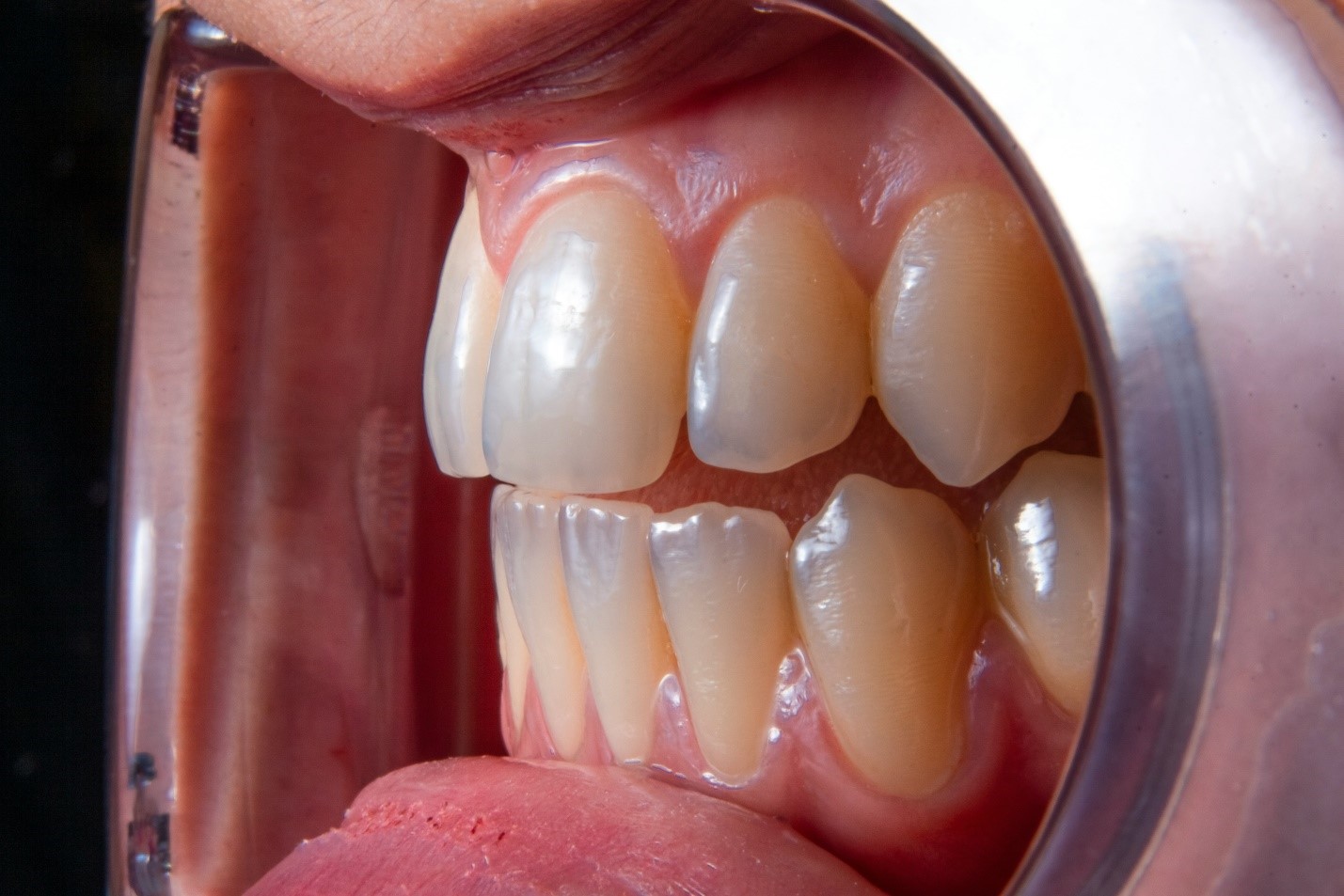
If you’re thinking about improving the look of your teeth, you’re not alone. Many people explore cosmetic dentistry to achieve a brighter, more confident smile. Two of the most popular options for transforming the appearance of teeth are composite bonding and dental veneers. But which treatment is right for you?
The answer depends on your goals, budget, and the condition of your teeth. In this blog, The Dental Revolution showcases the key differences between composite bonding and veneers, how they work, and the pros and cons of each treatment to help you make an informed choice.
What Is Composite Bonding?
Composite bonding, also known as dental bonding or tooth bonding, is a cosmetic treatment used to repair chips, close gaps, reshape teeth, or cover discolouration. A tooth-coloured resin is applied to the surface of the tooth, then carefully shaped and hardened using a special curing light. Once polished, the bonded tooth blends naturally with the rest of your smile.
This treatment is often used for minor cosmetic changes and is ideal for patients looking for a fast and affordable solution with minimal tooth preparation.
What Are Veneers?
Veneers are thin shells, usually made from porcelain or composite material, that are placed over the front of the teeth to improve their appearance. Veneers can change the shape, size, and colour of your teeth. They’re commonly used to treat more noticeable cosmetic concerns such as severely stained, worn, crooked, or uneven teeth.
Porcelain veneers are the most popular type because they are stain-resistant, durable, and offer a very natural-looking finish.
How Do They Compare?
Let’s break down the main differences between composite bonding and veneers to help you weigh up your options.
Treatment Time
Composite bonding can often be completed in a single visit. The dentist prepares the tooth, applies the resin, sculpts it, and hardens it — all in one session. This makes it a great choice if you’re after immediate results.
Porcelain veneers, on the other hand, usually require two or more appointments. The dentist removes a small amount of enamel from the front of the tooth, takes a mould, and sends it to a lab where the veneers are custom-made. You’ll return for a second appointment to have them fitted.
Cost
In general, composite bonding is more affordable than veneers. Because the materials are less expensive and the procedure is quicker, it’s often chosen as a low-cost alternative for a smile makeover.
Porcelain veneers are more costly due to the laboratory process and the high-quality ceramic materials used. However, they tend to last longer and offer better stain resistance, which may make them a better long-term investment.
Appearance
Both treatments can deliver impressive results, but veneers often have the edge in terms of aesthetics. Porcelain mimics the natural shine and translucency of tooth enamel, which is why it’s commonly used in high-end cosmetic dentistry treatments.
That said, a skilled dentist can achieve excellent results with composite bonding, especially for small adjustments or subtle smile improvements.
Durability
Porcelain veneers are known for their strength and durability. With proper care, they can last 10 to 15 years or even longer. They’re also more resistant to stains, meaning they’ll continue to look good over time.
Composite bonding, while effective, is more prone to chipping and staining. It usually lasts between 4 and 7 years before it needs touching up or replacing. Regular dental check-ups and good oral hygiene can help extend the lifespan of bonded teeth.
Tooth Preparation
One of the biggest advantages of composite bonding is that it’s minimally invasive. In most cases, little or no enamel is removed, which means your natural tooth remains largely intact. If you ever want to reverse the treatment, it’s often possible.
Veneers require more preparation. Enamel is permanently removed to allow the veneer to sit flush with the other teeth. This means the procedure is irreversible and the tooth will always need a veneer or some form of coverage in the future.
When to Choose Composite Bonding
Composite bonding is ideal if:
- You have small chips, cracks, or gaps
- Your teeth are slightly uneven or worn
- You want a quick and budget-friendly treatment
- You prefer a non-invasive option with little or no drilling
- You’re looking for a temporary solution before investing in more permanent treatment
It’s also worth considering for younger patients who may want to improve their smile without committing to permanent changes.
When to Choose Veneers
Veneers are a better choice if:
- You have more significant cosmetic concerns
- Your teeth are badly stained and whitening hasn’t worked
- You want a dramatic and long-lasting transformation
- You’re ready to invest in a higher-end treatment
- You’re happy with the permanent nature of the procedure
Many patients choose veneers as part of a full smile makeover. With the right design and placement, they can deliver a flawless and natural-looking result.
Are There Any Risks?
Both treatments are safe and widely used in dental practices. However, as with any dental procedure, there are things to keep in mind.
Composite bonding can chip more easily than veneers, especially if you bite your nails, chew ice, or grind your teeth. Veneers, while stronger, are not immune to damage and may need replacing if they crack or come loose.
Good oral hygiene and regular check-ups are essential to maintain either treatment. Avoiding staining foods, stopping smoking, and wearing a nightguard (if you grind your teeth) will also help prolong the results.
Which Is Right for You?
Choosing between composite bonding and veneers depends on your individual needs, the condition of your teeth, and your budget. Some people even choose a combination of both, using bonding for minor repairs and veneers for the front teeth where appearance matters most.
The best way to decide is to book a consultation with a qualified cosmetic dentist. They can examine your teeth, talk through your goals, and recommend the most suitable treatment based on your smile and lifestyle.
Final Thoughts
Both composite bonding and veneers can improve the way your teeth look, boost your confidence, and help you smile more freely. The right choice comes down to how much change you want to make, how long you want the results to last, and how much you’re willing to invest in your smile.
If you’re ready to explore your options, contact an expert for advice and tailored treatment, a better smile could be closer than you think.
About the Author


