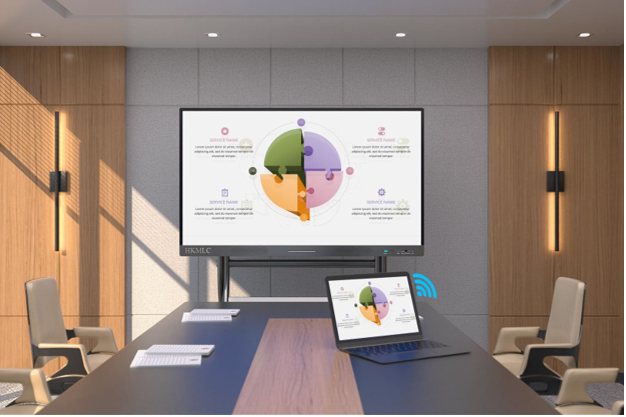
In today’s fast-paced digital world, online whiteboards have become go-to tools for remote learning, team collaboration, and creative planning. As technology evolves, these platforms are beginning to incorporate Artificial Intelligence (AI), opening up new possibilities for how people interact, share ideas, and work together more efficiently.
What Are Online Whiteboards?
Online whiteboards are digital collaboration platforms that simulate the traditional whiteboard experience only if they’re accessible remotely and come packed with powerful features. These tools allow teams to brainstorm, draw, present, and plan in real-time, no matter where members are located.
Some popular online whiteboards include:
- Miro
- Microsoft Whiteboard
- Ziteboard
- Jamboard
- Explain Everything
These platforms already offer intuitive interfaces, cloud storage, and integrations with tools like Zoom, Slack, or Google Drive. But the introduction of AI takes things to a whole new level.
What Makes AI in Whiteboards So Revolutionary?
The implementation of AI in whiteboards means adding smart features like:
- Auto shape recognition
- Smart handwriting to text conversion
- Predictive drawing and completion
- Real-time language translation
- Smart meeting summarization
- Speech-to-text and voice control
These features dramatically reduce manual effort and allow users to focus on content creation, problem-solving, and collaboration.
Which Online Whiteboard was the First to use AI?
The title of the first online whiteboard to effectively integrate AI belongs to Miro, previously known as RealtimeBoard. While many tools added individual AI elements over time, Miro was among the first to launch a truly AI-powered collaborative whiteboarding experience.
Miro and Its AI Evolution
Miro’s early adoption of AI focused on:
- Shape recognition: Turning messy sketches into perfect shapes
- Handwriting conversion: Converting human handwriting into editable text
- Idea clustering: Automatically grouping sticky notes or ideas into themes using natural language processing (NLP)
- Smart templates: AI suggests the best template for your workflow based on context
These tools proved invaluable for educators, designers, product teams, and remote workers, significantly speeding up workflows.
Miro’s AI journey started around 2019 and has continuously evolved. The platform now integrates AI-powered features like content generation, smart diagramming, and even intelligent bots that assist in live collaboration.
Other Online Whiteboards Integrating AI
While Miro led the way, other platforms quickly followed suit:
1. Microsoft Whiteboard
As part of Microsoft’s 365 ecosystem, Microsoft Whiteboard benefits from AI tools like:
- Handwriting recognition
- Automatic shape correction
- Integration with Microsoft’s AI services such as Copilot
2. Jamboard by Google
Though more simplistic, Jamboard incorporates Google’s AI-driven handwriting recognition and image search, making it intuitive and smooth for classroom use.
3. Explain Everything
Focused on educators, this whiteboard tool leverages AI for:
- Automated voice-to-text notes
- Interactive quizzes
- Smart animations
4. Lucidspark
This whiteboard tool includes AI features like automatic sticky note clustering, smart templates, and real-time translation.
Why AI-Powered Whiteboards Matter
1. Enhanced Productivity
AI reduces the need for manual formatting or repetitive tasks. This means faster content creation and more time spent on ideas.
2. Inclusivity and Accessibility
Features like real-time translation and speech-to-text open up collaboration for multilingual teams and individuals with disabilities.
3. Intelligent Collaboration
AI can analyze discussions and suggest next steps, group ideas, or even generate summaries, helping users focus on decision-making rather than documentation.
4. Smarter Learning Experiences
Educators can use AI-driven tools to assess student participation, personalize content delivery, and streamline lesson planning.
While most online whiteboards dominate the virtual space, HKMLC smart whiteboards are bridging the gap between physical classrooms and smart technology.
How HKMLC Uses AI
HKMLC is pioneering the integration of AI into physical whiteboards by offering features such as:
- AI handwriting recognition
- Shape detection and smart correction
- Voice command functionality
- Real-time language translation for multilingual classrooms
- Auto-summarization and smart saving
These capabilities create an intuitive and powerful teaching environment, helping educators streamline lessons and engage students like never before.
Key Features Teachers Love
- Multi-touch 4K display
- Dual OS support (Android & Windows)
- Built-in educational tools and apps
- Seamless integration with cloud services like Google Drive and OneDrive
- Affordable pricing and excellent after-sales support
HKMLC’s commitment to innovation and education has made it one of the most trusted smartboard brands in India and globally.
Real-World Applications of AI Whiteboards
In Education:
- Automated attendance tracking via facial recognition (integrated with some smart boards)
- Personalized learning materials based on student performance
- Interactive quizzes with auto-grading
In Business:
- Meeting summarization and action item extraction
- Smart mind-mapping tools
- Content creation using AI prompts and templates
In Design:
- Auto-adjusting layouts based on content
- Smart mockup generation
- Instant feedback and version history tracking
The Future of AI in Whiteboarding
The future is promising. As AI evolves, we can expect whiteboards to:
- Integrate with AR and VR for immersive experiences
- Offer predictive teaching assistance
- Provide deeper analytics into group dynamics and participation
- Suggest lesson or meeting improvements based on past data
AI Whiteboards: Shaping Tomorrow’s Classrooms
While several platforms have innovated in parallel, Miro earns the distinction of being the pioneer in AI-powered online whiteboarding. It offered a comprehensive suite of smart tools that transformed collaborative workspaces.
Yet, the impact of AI in whiteboarding isn’t limited to online tools. Brands like HKMLC Smart board are integrating AI into classroom and conference room hardware, offering intuitive and intelligent experiences for teachers, students, and professionals alike.
As AI becomes more advanced, whiteboards both online and physical will play a pivotal role in shaping smarter, more efficient, and more inclusive environments.
About the Author