Most Korean learners who aim to speak English fluently can expect to spend 3 to 7 years to reach that goal, depending on their habits and intentions.
But this isn’t a fixed number carved in stone. It varies widely based on what “fluency” means to you, how you study, how often you engage with the language, and the quality of feedback you get.
Some people are exposed to English for a decade without ever holding a full conversation. Others get there in less than two years with the right structure. So while 3–7 years is the usual range, the real answer depends more on method than on time alone.
What fluency means can change everything?
Fluency doesn’t look the same for everyone. For some, it’s being able to pass TOEIC with a high score. For others, it’s being able to give a presentation in English, talk casually with foreigners, or work abroad.
If your target is test-based, like hitting 850+ on TOEIC, you might only need 1 to 2 years of focused study. But that won’t make you fluent in real conversation. Functional fluency—the kind where you can respond naturally, adapt to fast conversations, and express opinions—takes more. It’s not about cramming answers. It’s about feeling at ease with the language. That kind of fluency is harder to measure but easier to notice once you’ve reached it.
Why Koreans struggle more than they expect
South Korea invests heavily in English education. It starts early in school, continues through high school, and often extends into university and job applications. Yet, according to the EF English Proficiency Index (2023), Korea ranks 49th out of 113 countries—still in the moderate level.
That contrast exists because much of the focus has been on test-taking and textbook knowledge, not communication. Korean students often know grammar well. But they hesitate to speak. They’re afraid of making mistakes. This perfection-focused approach creates anxiety, not fluency. It builds knowledge, not confidence. That’s the silent barrier that slows down even the most dedicated learners.
Learning English isn’t just about years—it’s about methods
Time matters, but the method matters more. A learner who practices speaking with a tutor for 30 minutes every day for one year will progress faster than someone who only reads and memorizes for three. That’s because language isn’t learned in isolation. It needs repetition with context. It needs real feedback, active listening, trial and error. Passive learning through books or apps can help build vocabulary, but unless you use that vocabulary out loud in real situations, your brain won’t retain it. One well-structured year of speaking, listening, and feedback often outperforms five years of silent study.
The school system sets a foundation, but it’s not enough
English education in Korean schools begins early—sometimes even in kindergarten. By high school graduation, most students have received six to ten years of English instruction. But it’s largely exam-focused. Students are trained to choose the right answer, not to construct their own. They get used to written grammar questions but rarely speak out loud. That creates a strong knowledge base with weak communication skills. When they finally meet someone who speaks English, many hesitate, panic, or go silent. Not because they lack vocabulary—but because they’ve never used it in conversation. The foundation is solid, but without practice, it’s never built into fluency.
Daily exposure beats classroom hours
Let’s say two students both spend five hours per week studying English. One uses that time reading textbooks and solving grammar problems. The other spends it watching English news, speaking with a tutor, listening to podcasts, and keeping a journal in English. After a year, their skill levels won’t even be close. The second learner will likely be more fluent, more confident, and more flexible. That’s the power of daily, meaningful exposure. Classroom time has limits. But when English becomes part of your daily life, you start absorbing it like a habit. You no longer study the language. You start living it.
Study hours, consistency, and real-life practice
The U.S. Foreign Service Institute classifies English as a Category I language for Korean speakers, estimating about 1,800 to 2,200 hours of study needed for fluency. But, most Korean learners don’t study efficiently. Some study five hours a week with long breaks in between. Others study daily but only review flashcards. If you want results, it’s better to study one hour a day for a year than to study ten hours a week inconsistently. Practice should also reflect real life—conversations, listening to authentic audio, writing messages. Real use matters more than total time. Reaching fluency isn’t about how many hours you study—it’s about how many hours you use the language.
How tests like TOEIC shape the learning journey
TOEIC is a benchmark for many Korean learners. Employers often look for scores above 800, especially in large companies. That makes TOEIC preparation a top priority for university students and job seekers. Online resources like 토익인강 help thousands boost their scores with focused lessons. But there’s a downside: test prep often emphasizes short-term memory, grammar tricks, and reading speed. These don’t translate into real communication. A person with a 950 TOEIC score may still struggle to introduce themselves confidently in English. So while tests are important for career goals, they should be paired with speaking and listening practice to build balanced fluency.
Tutors and English academies play a game-changing role
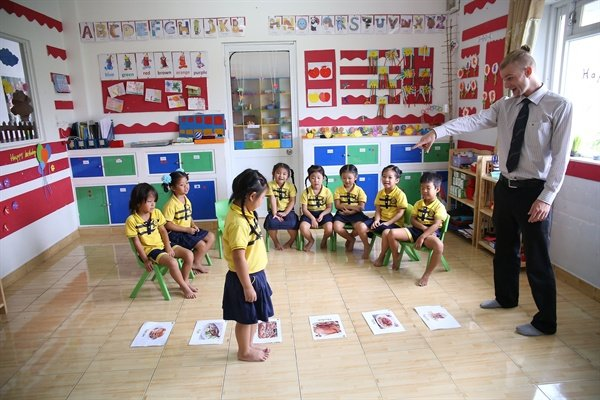
The biggest shift in fluency happens when learners move from passive to active practice—and that’s where tutors come in. A skilled tutor doesn’t just teach. They guide, correct, encourage, and help you build real conversation skills. Unlike classrooms, tutoring sessions adapt to your level. You speak more. You get immediate feedback. You improve faster. Many learners find consistent progress through personalized lessons offered on platforms like 영어학원, which match Korean learners with global English tutors. Whether you’re preparing for business, travel, or exams, working with a tutor gives you the structure and flexibility to finally make English part of your daily life.
How much time do fluent Koreans spent
In online language communities and surveys, fluent Korean speakers often report spending between 1,200 to 1,500 hours actively speaking and listening before they felt confident in English. Many of them didn’t leave Korea. They used daily routines to improve: watching one show per day, keeping a diary in English, and speaking with tutors several times a week. One common turning point appears around the second year of consistent effort. That’s when learners report fewer pauses, less mental translation, and more confidence in expressing thoughts. Fluency doesn’t come all at once—but when it does come, it’s because of steady habits over time.
Factors that slow people down—and how to avoid them
The most common obstacles Korean learners face aren’t lack of ability—they’re fear, poor methods, and lack of consistency. Many hesitate to speak because they’re afraid of making mistakes. But mistakes are essential. Others focus only on grammar, thinking they’ll speak once they’re “ready.” That day never comes. Some rely too much on tests or translation apps. These delay real learning. To move forward faster, learners should focus on small, daily habits. Speak every day, even for ten minutes. Listen to native speakers. Ask for feedback. And stop chasing perfection. It’s better to speak simply and confidently than to stay silent, trying to sound perfect.
Conclusion
If you’re Korean and want to speak English fluently, aim for 2 to 3 years of consistent, intentional practice. Fluency is not about learning more. It’s about using what you know. The path is clearer when you treat English not as a subject but as a tool you use every day. Whether your goal is conversation, career, or travel, focus on speaking, listening, and real feedback. Combine test prep with live use. Build habits, not just schedules. The journey is long, but every smart hour brings you closer. With the right structure and daily use, fluency is not just possible. It’s predictable.
About the Author