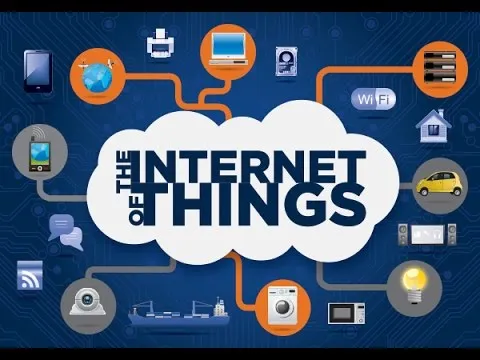
By 2034, India’s IoT market will hit $293.7 billion, growing at 19.6% CAGR (Market Research Future). That’s massive, but here’s the catch—most businesses struggle with scalability, speed, and security. Without the right architecture, IoT systems crash, cost a fortune, and expose sensitive data.
A strong IoT architecture keeps everything running—fast, secure, and efficient. It ensures real-time data flow, seamless integrations, and rock-solid security. Poor design? Expect latency issues, disconnected devices, and rising cloud bills that eat into your profits.
This blog breaks down the must-haves of IoT architecture—from scalable cloud-edge solutions to AI-driven automation. You’ll also see how a trusted IoT app development company India can help you build an IoT system that actually works.
Let’s get started.
IoT App Architecture: Breaking Down the Core Components
To get an IoT system working seamlessly, you need to understand its key layers. These layers make sure your data flows smoothly, stays secure, and does what it’s supposed to.
Here’s a closer look at each one.
1. Edge Layer (Devices & Sensors)
The Edge Layer is where it all begins. This layer consists of physical IoT devices and sensors that collect real-time data. Examples include:
- Manufacturing: Sensors monitor machinery performance for predictive maintenance.
- Retail: Smart shelves track inventory and alert staff when restocking is needed.
These devices send raw data to gateways or cloud platforms for processing, enabling real-time decision-making.
2. Gateway Layer
The Gateway Layer acts as the bridge between IoT devices and cloud infrastructure. This layer handles:
- Data Filtering: Reduces the amount of irrelevant or redundant data sent to the cloud.
- Data Encryption: Secures the data before it reaches the cloud or other processing systems.
- Efficient Transmission: Ensures smooth and low-latency communication between the devices and the cloud.
3. Cloud Layer
The Cloud Layer is the backbone of data storage, processing, and analytics. It enables:
- Storage & Processing: Large volumes of IoT data are stored and processed here.
- AI & Machine Learning: Helps derive insights, automate actions, and create predictive models.
This layer ensures your system can scale to handle growing data and users efficiently.
4. Connectivity & Communication Protocols
The Connectivity Layer ensures reliable communication between devices and cloud systems. Key protocols include:
- MQTT: Lightweight messaging for low-bandwidth situations.
- HTTP/HTTPS: Common for web-based IoT apps.
- CoAP: Optimized for constrained devices and networks.
These protocols ensure secure and efficient data transfer.
5. Application & User Interface Layer
The Application Layer delivers a user-friendly interface for interacting with the IoT system. Key functions include:
- Dashboards: Visual representations of data for easy monitoring.
- Analytics: Tools to gain insights and optimize system performance.
- Control Features: Remote management of IoT devices for operational efficiency.
6. Data Management & Security Layer
Security and data integrity are paramount in IoT systems. The Security Layer includes:
- Encryption: Ensures that sensitive data remains secure at all times.
- Authentication: Verifies the identity of users and devices.
- Access Control: Manages who can access what data, protecting against unauthorized users.
This layer is critical in maintaining system privacy and compliance with regulations.
How to Design Scalable and Resilient IoT Systems
When you’re building an IoT system, you want it to grow with your business, right? You need something that’s flexible, reliable, and ready to handle whatever comes its way. Let’s break down how to make that happen.
1. Modular Architecture
Picture this: your system as a set of building blocks. Each piece does its job but can be swapped or upgraded as needed. The big advantage? You don’t have to overhaul your entire system when you want to add new features or technology. It’s seamless and flexible.
Example: Let’s say you’re adding a new sensor to monitor temperature in a warehouse. With a modular setup, it’s a plug-and-play addition, not a huge project.
2. Load Balancing
This is where things get efficient. Load balancing ensures no single device or server is carrying too much weight, which prevents slowdowns or crashes. In real-world terms, it’s like spreading out the workload so everything runs smoothly, even when demand spikes.
Example: During peak usage, like a Black Friday sale for an e-commerce platform, load balancing ensures that all transactions process smoothly without overloading any server.
3. Redundancy Planning
Imagine a safety net that kicks in if something goes wrong. That’s redundancy—having backup systems in place that take over if a failure occurs. It’s crucial for avoiding downtime and maintaining continuous service, especially when the stakes are high.
Example: In a smart healthcare system, if one monitoring device fails, another picks up the slack instantly, ensuring patients’ data is always monitored.
4. Data Integrity & Security
IoT systems gather massive amounts of sensitive data. Ensuring its accuracy and security is non-negotiable. A solid security layer makes sure the data is encrypted, protected from unauthorized access, and stored safely, keeping your system and customers’ info secure.
Example: In industries like banking or healthcare, ensuring data integrity prevents financial losses and ensures privacy, building trust with users.
5. Scalability Through Cloud Integration
As your business grows, so should your IoT system. Cloud platforms allow you to scale up your infrastructure quickly and cost-effectively. The cloud also provides the flexibility to handle vast amounts of data and support more devices without physical limitations.
Example: Think of a logistics company with sensors across multiple warehouses. The cloud allows real-time data collection and analysis across all locations, ensuring smooth operations at any scale.
Seamlessly Integrating IoT Solutions into Your Business Systems
Bringing IoT into your business isn’t just about adding new devices. It’s about making sure they work well with your current systems. Let’s look at how to smoothly integrate IoT solutions with what you already have.
Assessing Your Current Infrastructure
Before jumping into IoT, take a close look at your existing systems. Ask yourself:
- Are your devices and software ready for IoT integration?
- Do your systems have the capability to process additional data from IoT devices?
- Will your current infrastructure support the extra load?
Assessing these factors ensures that IoT can fit in without causing disruptions.
APIs and Middleware
APIs (Application Programming Interfaces) and middleware play a crucial role in connecting your IoT devices to your legacy systems. Think of them as translators between two different languages—IoT and your existing infrastructure.
- APIs allow devices to send data and interact with your systems.
- Middleware ensures smooth communication, making sure data flows without interruption.
This integration simplifies the process, helping your IoT devices become part of your business network.
Data Integration Challenges and Solutions
Integrating IoT data with your existing systems can be tough. Here are a few common problems and how to solve them:
1. Inconsistent Data Formats
IoT devices often send data in different formats, making it hard to bring everything together.
Solution: Standardize the data format or use middleware to convert it into a consistent format.
2. Real-time Data Processing
IoT generates tons of data, and older systems might not handle it well.
Solution: Use cloud platforms to process data in real time without slowing down your system.
3. Data Overload
Too much data can overwhelm your storage and databases.
Solution: Filter out unnecessary data or use aggregation techniques to store only the essential information.
4. Data Security and Privacy
Handling sensitive data from IoT devices can be risky.
Solution: Use encryption and strong access control to keep data safe from unauthorized access.
Tackling these challenges makes integrating IoT data smoother. Need expert help? Reach out to an IoT app development company India.
Why Choose Codewave for IoT Development?
Codewave drives business transformation with smart design and advanced technology. By combining next-gen solutions with human-centric design, businesses can expect real value. With over $2 billion in funding raised, and over 10 years of experience, Codewave helps companies stay ahead in a rapidly evolving tech landscape.
Codewave’s IoT Development Services
Specializing in smart, secure, and scalable IoT systems, Codewave uses frameworks like React Native, Flutter, and native iOS/Android to build apps that turn IoT data into actionable insights. These solutions enable real-time control, data visualization, and automation, all with a strong emphasis on security and speed.
With a proven track record of helping over 400 businesses globally, the results speak for themselves:
- 2x higher asset performance
- 3x greater user engagement
- 50% faster issue resolution
Comprehensive IoT Development
From the initial strategy to final implementation, Codewave offers a complete suite of IoT app services. These include:
- IoT app strategy and consulting
- Data visualization & analytics integration
- IoT app security
- Custom dashboards and AI/ML integration
- Edge computing solutions
Check out their other service!
Final Say
Building the right IoT app architecture isn’t just about tech—it’s about setting your business up for long-term success. With the right approach, your system can scale, stay secure, and deliver value from day one. Imagine a solution that grows with your business, helping you stay ahead of the competition.
Ready to make your IoT ideas a reality? Don’t go it alone—partner with an IoT app development company in India to get the expertise you need. Let experts guide you through the process and help you create an IoT solution that works for your business, not just today, but for the future.
About the Author