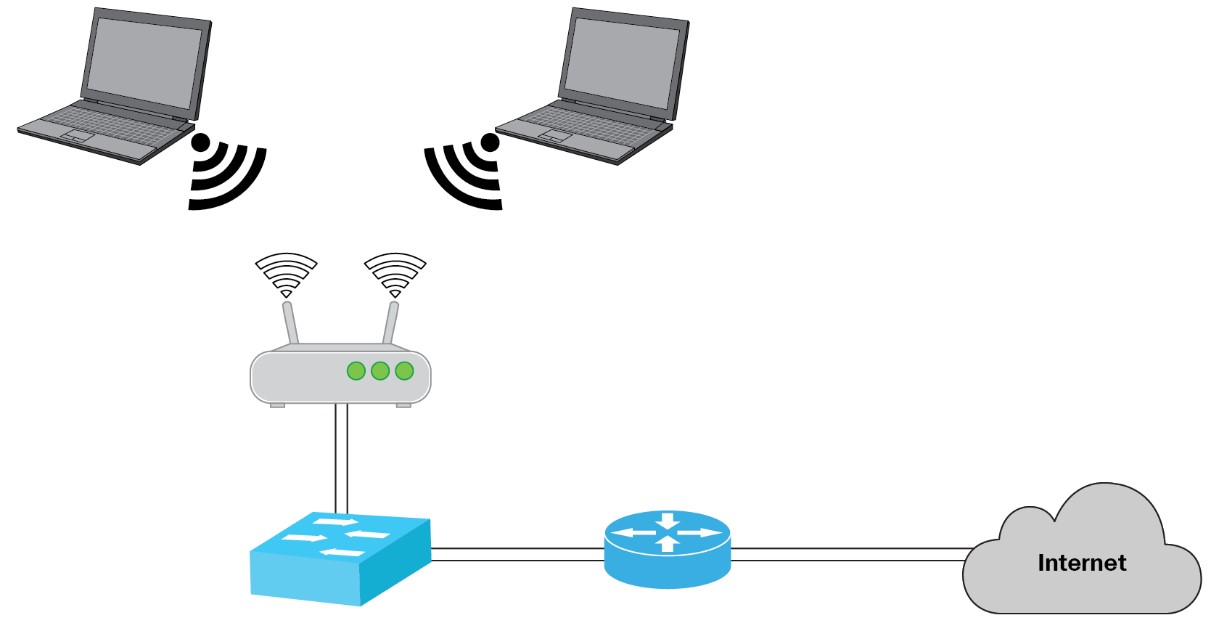
Wireless networks have fundamentally transformed the way we live, work, and communicate. From enabling real-time global connectivity to facilitating life-changing innovations, these networks form the backbone of our increasingly digital society.
From Morse Code to 5G: A Brief History
The story of wireless networks begins in the late 19th century with the invention of the wireless telegraph. Visionaries like Guglielmo Marconi pioneered transmitting messages without cables, laying the groundwork for wireless communications.
Over the decades, technology advanced rapidly:
- 1920s–1930s – Radio broadcasting became a mainstream medium, connecting households to entertainment, news, and culture.
- 1940s–1960s – Mobile radio systems first appeared, leading to the development of car phones used by police and businesses.
- 1980s–1990s – The first cellular networks (1G) emerged, allowing mobile phone communication to become more accessible. This era also saw the rise of Wi-Fi, which revolutionized local wireless connectivity.
- 2000s–Present – The rollout of 3G and later 4G LTE technology brought high-speed internet to mobile devices. Today, the world is experiencing the power of 5G networks, promising lightning-fast speeds and low latency critical for the Internet of Things (IoT), autonomous vehicles, and more.
This technological progress has helped reshape how societies connect and communicate.
Bridging Distance and Facilitating Growth
Wireless networks have eliminated geographical barriers, bringing the world closer together. Here’s how they’ve impacted global connectivity:
- Real-Time Communication – Whether through voice calls, messaging apps, or video conferencing, wireless technology enables instant communication across the globe.
- Digital Economy – Businesses operate seamlessly thanks to wireless connections facilitating e-commerce, remote customer service, and online banking.
- Social Connectivity – Platforms like social media thrive due to wireless networks, allowing people to build and maintain relationships regardless of physical location.
- Remote Work and Learning – Wireless advancements have made telecommuting and online education viable, empowering people during global challenges like the COVID-19 pandemic.
Wireless networks have revolutionized connectivity, enabling a level of access and communication once thought impossible.
Challenges and Technological Innovations
Despite their immense benefits, wireless networks have faced hurdles along the way.
- Spectrum Scarcity – With limited bandwidth available, managing spectrum allocation for growing demands remains a challenge.
- Infrastructure Costs – Building wireless infrastructure for rural or underdeveloped areas can be expensive.
- Security Concerns – Increasing connectivity exposes vulnerabilities that malicious actors can exploit, prompting major investments in cybersecurity and private wireless solutions.
However, these challenges fuel innovation. Recent breakthroughs include:
- Beamforming Technology – Improves signal directionality, enhancing speed and performance.
- Massive MIMO – A key 5G innovation using multiple antennas for superior connection efficiency.
- Edge Computing – Reduces latency by processing data closer to end-users rather than relying solely on distant data centers.
These advancements demonstrate the resilience and creativity of engineers and researchers in driving wireless technologies forward.
The Future of Wireless Networks
What lies ahead for wireless networks? The future is packed with exciting possibilities:
- 6G and Beyond – While 5G is still rolling out globally, discussions about the next generation, 6G, are already underway. Experts predict 6G will offer even faster speeds, ultra-low latency, and advanced AI integration.
- IoT Expansion – Wireless networks are enabling smart cities, connected homes, and smart industries. The continued growth of IoT will depend on seamless wireless communication.
- Space-Based Wireless Connections – Satellite networks, such as SpaceX’s Starlink, aim to bring internet access to remote areas that lack terrestrial infrastructure.
- AI and Machine Learning – These advancements will bring enhanced network management by optimizing resource allocation and improving user experiences.
The evolution of wireless networks will undoubtedly shape the path of innovation, connectivity, and how we interact with the world.
Conclusion
Wireless networks have progressed from telegraphs to 5G-powered IoT devices, creating a connected world. The future promises 6G, advanced IoT, and new technologies, reshaping connectivity and highlighting the need to stay ahead for businesses and society.
About the Author